
October WTI crude oil (CLV26) is down -1.79 (-1.750%) today, and October RBOB gasoline (RBV26) is down -0.0191 (-0.55%).
Crude oil and gasoline prices are falling today on signs that supply disruptions in the Middle East are set to ease, potentially boosting global oil supplies. Crude prices are also pressured by negative carryover from Wednesday, when weekly EIA crude inventories fell less than expected and gasoline and distillate supplies rose more than expected.
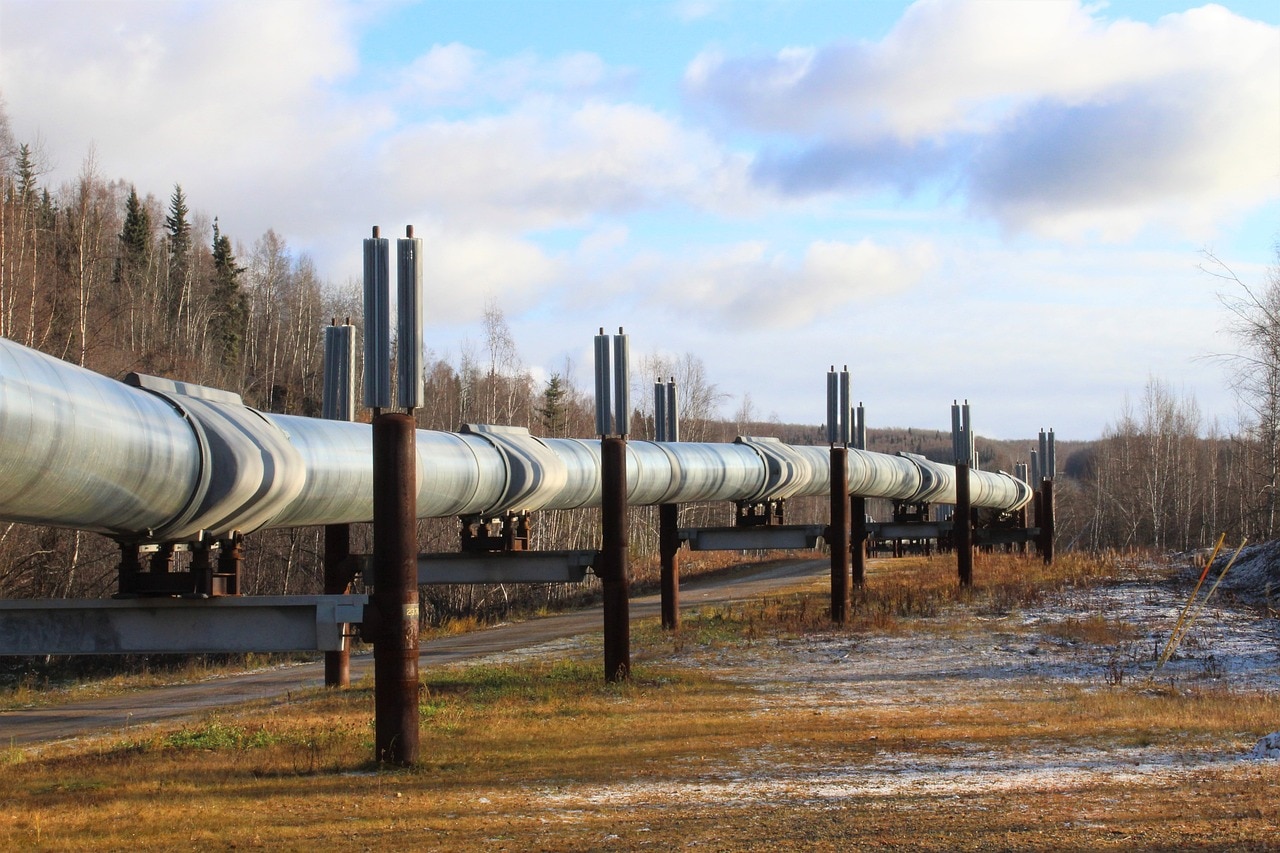
Crude prices are under pressure after Saudi Arabia said it seeks to return about half the capacity of the East-West pipeline within days following a shutdown last week because of drone strikes. Also, US Energy Secretary Wright said on Wednesday that 18 million bbl of crude oil and refined products passed through the Strait of Hormuz on Tuesday, easing global supply concerns.
Crude rallied to a 3.75-month high on Tuesday on fears that global oil supplies will tighten further after Saudi Arabia shut down its key East-West pipeline, disrupting a key route that bypasses the Strait of Hormuz. The 750-mile-long East-West pipeline, which carries 7 million bpd of crude, was closed late last Friday as a precaution following attacks by Houthi rebels, and Saudi officials gave no indication of when it will reopen. The pipeline moves oil away from the Persian Gulf toward the Red Sea, where it can be loaded on tankers. On Tuesday, Saudi Aramco said it is delaying oil deliveries to some European customers because of the pipeline closure.
Crude also has support as Yemen’s Houthi rebels target energy facilities in Saudi Arabia, forcing several oil facilities to halt production. Saudi Arabia said last Thursday that its crude production in August fell to 6.238 million bpd, the lowest since 1990.
The advances by the Houthi rebels to take territory along the Red Sea in Yemen are also contributing to concerns about tighter oil supplies from the Middle East. On Tuesday, the Houthis captured a pair of islands near the Bab-al-Mandeb Strait. That followed their seizure of Perim Island and the Red Sea port city of Mokha at the southern end of the Red Sea, putting the group in a stronger position to attack ships. Since the closure of the Strait of Hormuz, Saudi Arabia has pivoted to the Red Sea to export most of its oil over the past two months. However, escalating tensions with the Houthis have disrupted that route.
Vitol Group said that global oil markets are continuing to tighten, with the loss of about 2 million bpd from crude exports in the Middle East, and a further 2 million bpd from Russia as a result of Ukraine’s drone attacks. Data compiled by Bloomberg, Kpler and Vortexa showed that Saudi Arabia’s Aug crude exports dropped to about 3 million bpd, the lowest amount in 9 years.
Crude prices also have support on concerns that Israel could be dragged back into the US-Iran conflict. Israeli Defense Minister Katz recently said that an Iranian attack on Israel would free Israel from any existing restrictions in a response against the regime in Iran. Israel has ramped up attacks on Iran-backed Hezbollah in Lebanon, dampening the prospects of ending hostilities in the Middle East and a quick reopening of the Strait of Hormuz. In addition, Israel has struck Iran-backed Hamas in Gaza, while the Yemen-based Houthis have attacked ships in the Red Sea.
Ukraine has intensified drone attacks on Russian oil infrastructure, curbing Russian crude production and exports. According to EA Analytics, Russian crude-processing rates averaged 3.51 million bpd in July, the lowest in 24 years, amid damage to Russian energy infrastructure caused by drone and missile attacks from Ukraine. The attacks on Russian oil infrastructure knocked Russia’s crude production in July to 8.89 million bpd, the lowest in six years, according to secondary source estimates published by OPEC. Meanwhile, Reuters reported on August 28 that Russia’s gasoline production fell to about 80,000 tons a day in August, only 70% of domestic demand, causing shortages across the country.
On the bearish side for crude, the International Energy Agency (IEA) last Friday warned that high oil prices and restricted oil supply will cause the biggest drop in global oil demand this year since the Covid-19 pandemic. Despite the projected demand drop, the IEA raised its estimate for this year’s global oil deficit to 1.7 million bpd from last month’s 1.3 million bpd estimate due to the restricted supply caused by the US-Iran war. The IEA said the return of a global oil surplus will be delayed until 2027, later than its previous estimate of late 2026.
As a bearish factor for crude, OPEC delegates on August 2 approved their final increase of +188,000 bpd in crude production for September. The group has now restored all 1.65 million bpd of the supply cutback it made in 2023 and said it plans to hold output steady for the rest of the year after the September hike. However, the planned OPEC+ production increases may be difficult to achieve amid persistent US-Iran military attacks in the region. OPEC’s Aug crude production fell by -900,000 bpd to 19.91 million bpd.
Vortexa reported on Monday that crude oil stored on tankers that have been stationary for at least 7 days fell -23% w/w to 76.39 million bbl in the week ended September 11, the lowest in a year.
Wednesday’s EIA report showed that (1) US crude oil inventories as of September 11 were +0.8% above the seasonal 5-year average, (2) gasoline inventories were -4.8% below the seasonal 5-year average, and (3) distillate inventories were -12.8% below the 5-year seasonal average. US crude oil production in the week ending September 11 fell slightly to 13.944 million bpd, just below the record of 13.947 million bpd from the week of September 4.
Baker Hughes reported last Friday that the number of active US oil rigs in the week ended September 11 rose by +1 to 450 rigs, modestly below the 1.25-year high of 455 rigs from the week of August 14.
On the date of publication,
Rich Asplund
did not have (either directly or indirectly) positions in any of the securities mentioned in this article. All information and data in this article is solely for informational purposes.
For more information please view the Barchart Disclosure Policy
here.
More news from Barchart